Toothache – what to do? What helps right away and when to see a dentist

Toothache – what to do? First take an over-the-counter painkiller (ibuprofen or paracetamol) as the leaflet says and book a dentist as soon as possible, because toothache usually means inflammation that does not go away by itself. If swelling spreads to the neck or eye, or makes it hard to breathe or swallow, call 112.
Toothache rarely comes at a good time: in the evening, at the weekend, before a trip. In this article we explain what you can do at home right away, what to avoid, what the type of pain may say about the tooth, and when a dental visit is enough and when you need hospital care.
Toothache – what to do right away
These steps do not treat the cause, but they help you get through to the appointment:
- A painkiller. Ibuprofen or paracetamol, taken as the leaflet says. Do not exceed the dose – more does not work better and can be dangerous. Children under 16 should not be given aspirin. If you take other medicines, have a chronic illness or are pregnant, ask a pharmacist what you can take.
- A salt-water rinse. Half a teaspoon of salt in a glass of warm water – rinse and spit out, do not swallow. You can repeat it several times a day. This is not for young children.
- Soft food, chew on the other side. Yoghurt, soup, scrambled eggs, mashed potatoes. Avoid sweet, very hot and very cold food.
- Gentle hygiene. Brush with a soft toothbrush, but do not force floss around the sore tooth.
- Book an appointment. Call a clinic the same day and say which medicines you have taken and when.
A numbing gum gel from the pharmacy can also help with toothache – it works briefly, but may give a moment of relief.
Toothache – what not to do
With toothache it is easy to reach for "home remedies" that do harm:
- Do not warm the swelling. A warm compress, a hot-water bottle or heating the cheek may help the inflammation spread.
- Do not put tablets on the gum. Aspirin or another tablet placed on the gum does not work that way and can burn the lining of the mouth.
- Do not combine several painkillers on your own, and do not take them with alcohol.
- Do not take leftover antibiotics. An antibiotic does not remove the cause of pain in the tooth, and taken without a prescription it may be the wrong one.
- Do not wait for it to pass. Toothache that stops by itself often means the pulp has died – the infection may keep developing at the root.
Type of toothache – what it may mean
The final cause is found by the dentist after an examination and an X-ray, but the character of toothache gives useful clues:
| How it hurts | Most common cause | How soon to see a dentist |
|---|---|---|
| Briefly after cold or sweet, gone in a few seconds | Sensitivity, exposed tooth necks, shallow decay | Within days to weeks |
| Severe, spontaneous, at night, long after hot or cold | Inflamed pulp (pulpitis) | The same or next day |
| When biting, the tooth feels "higher" | Inflammation at the root, cracked tooth | Within 1–2 days |
| Throbbing, with swollen gum or cheek, sometimes fever | Abscess | Urgently, the same day |
| Pain behind the last tooth, hard to open the mouth | Gum inflammation around a wisdom tooth | Within 1–2 days |
| Getting worse 2–4 days after an extraction | Dry socket | Within 1–2 days |
The most common cause of severe toothache is inflammation of the pulp, the nerve and blood vessels inside the tooth. What helps is opening the tooth and removing the inflamed pulp – the first stage of root canal treatment. If you are afraid of the procedure itself, read does root canal treatment hurt (PL). Pain behind the last tooth often comes from a wisdom tooth – we explain when it should come out in do wisdom teeth need to be removed.
Toothache with swelling – when to call 112
Most toothache is a matter for a dentist, not a hospital. But with some symptoms you should not wait for a dental appointment – call 112 or go to a hospital emergency department (SOR):
- the swelling grows fast or spreads to the neck or around the eye,
- you find it hard to breathe, swallow or speak,
- you cannot open your mouth,
- you have a high fever and feel generally unwell,
- the toothache follows an injury that also involves the jaw or head.
Do not drive yourself – ask someone to take you or call for help. Infection from a tooth can spread to the tissues of the neck and the floor of the mouth, which needs hospital treatment.
With an abscess without these symptoms, see a dentist the same day. An abscess will not go away on its own – the dentist has to drain the pus and treat the cause in the tooth, and adds an antibiotic when it is needed.
Toothache after an injury – broken or knocked-out tooth
An injury is a special case of toothache, because time matters.
A knocked-out permanent tooth:
- Hold the tooth by the crown (the white part), do not touch the root.
- If it is dirty, rinse it briefly in milk, saline or saliva – do not scrub it.
- If you can, put it back into the socket and bite gently on clean gauze.
- If you cannot – keep the tooth in milk or saline.
- Go to a dentist as soon as possible – even if you could not find the tooth.
A knocked-out baby tooth is not put back, as this can damage the permanent tooth developing underneath. It is still worth showing the child to a dentist.
A broken tooth: bring the broken piece in milk or saliva – sometimes it can be bonded back. A chipped tooth is usually not serious, but if the pulp is exposed (a pink or bleeding spot), the tooth hurts badly and needs to be protected quickly.
Toothache at night, at the weekend and on holidays
Toothache is often worst at night – lying down and without distractions we feel it more. What to do:
- take a painkiller as the leaflet says and note the time,
- lie with your head slightly raised,
- do not warm the cheek,
- if any of the symptoms listed above appear (neck swelling, difficulty breathing, high fever) – call 112.
When clinics are closed, free emergency dental help is provided by NFZ dental duty clinics (dyżury stomatologiczne). You can ask about the nearest one on the 24-hour NFZ helpline: 800 190 590. A duty clinic usually relieves the pain and protects the tooth; further treatment then has to be planned at a regular clinic.
Emergency dental care for toothache at LumiDent
At LumiDent in Ursynów we try to see patients with acute toothache on the day they call, Monday to Saturday, 10:00–21:00. An emergency visit looks like this:
- A phone call – reception gives you the nearest free slot. Tell them which medicines you have taken.
- Examination and X-ray – the dentist finds which tooth hurts and why, and tells you the cost before treatment.
- Anaesthesia and emergency treatment – depending on the cause, for example removing the inflamed pulp, cutting and draining an abscess, protecting a broken tooth or removing a tooth that cannot be saved.
- A plan for further treatment – the dentist tells you what still needs to be done, for example root canal treatment, and how much it will cost.
Patients with toothache are seen by dentists including Julia Kartynnik and Rusłan Osmanov. We speak Polish, English, Russian and Ukrainian.
How much does emergency help for toothache cost
The cost of help for toothache depends on the cause – removing an inflamed pulp, draining an abscess and extracting a tooth are priced differently. In many clinics the X-ray and anaesthesia are charged separately, so when comparing prices it is worth asking what the visit includes. Current prices at our clinic are on the page emergency dental visit in Ursynów. The dentist gives the exact cost after the examination – before starting treatment.
Do you have toothache? Call +48 732 205 427 or book online. We are open Monday to Saturday, 10:00–21:00, ul. Alternatywy 7 lok. U5, 02-775 Warsaw.
This article is for information only and does not replace a consultation with a dentist.
Emergency visit, abscess, dental trauma.
Questions about emergency dental care for toothache
Which painkiller works best for toothache?
For toothache, people most often use over-the-counter ibuprofen or paracetamol, taken as the leaflet says. Ibuprofen also reduces inflammation, but not everyone can take it – if in doubt, ask a pharmacist. Children under 16 should not be given aspirin. A higher dose does not work better and can be harmful.
Can toothache go away on its own?
Toothache sometimes eases for a few days, but the cause usually stays. An inflamed pulp can die – the tooth stops hurting while the infection keeps developing at the root. An abscess does not go away on its own. So even when toothache has stopped, it is worth having the tooth checked by a dentist and X-rayed.
Can I use a warm compress for toothache?
No. With toothache and swelling, do not warm the cheek or gum, because heat may help the inflammation spread. Do not put tablets on the gum either – they can irritate the lining of the mouth. It is safer to take a painkiller by mouth and book a dental appointment as soon as possible.
Should I see a GP for toothache?
For toothache the right place is a dental clinic, because the cause has to be treated inside the tooth – a GP cannot do that. The exception is life-threatening symptoms: swelling of the neck, difficulty breathing or swallowing, or a high fever with major swelling. Then call 112 or go to a hospital emergency department (SOR).
What should I do about toothache at night or on a Sunday?
For toothache at night or on a Sunday, take a painkiller as the leaflet says, avoid hot, cold and sweet food and do not warm the swelling. Free emergency help is provided by NFZ dental duty clinics – you can ask about the nearest one on the NFZ helpline 800 190 590. In the morning, book a clinic that will treat the cause.
Do I need antibiotics for toothache?
Not on your own. An antibiotic does not remove the cause of toothache: the inflamed pulp or the pus has to be removed by a dentist, and an abscess will not go away by itself. The dentist may prescribe an antibiotic after treatment if the infection is spreading, and chooses it for the situation. Do not take antibiotics from your home cabinet or without a prescription.
Related articles
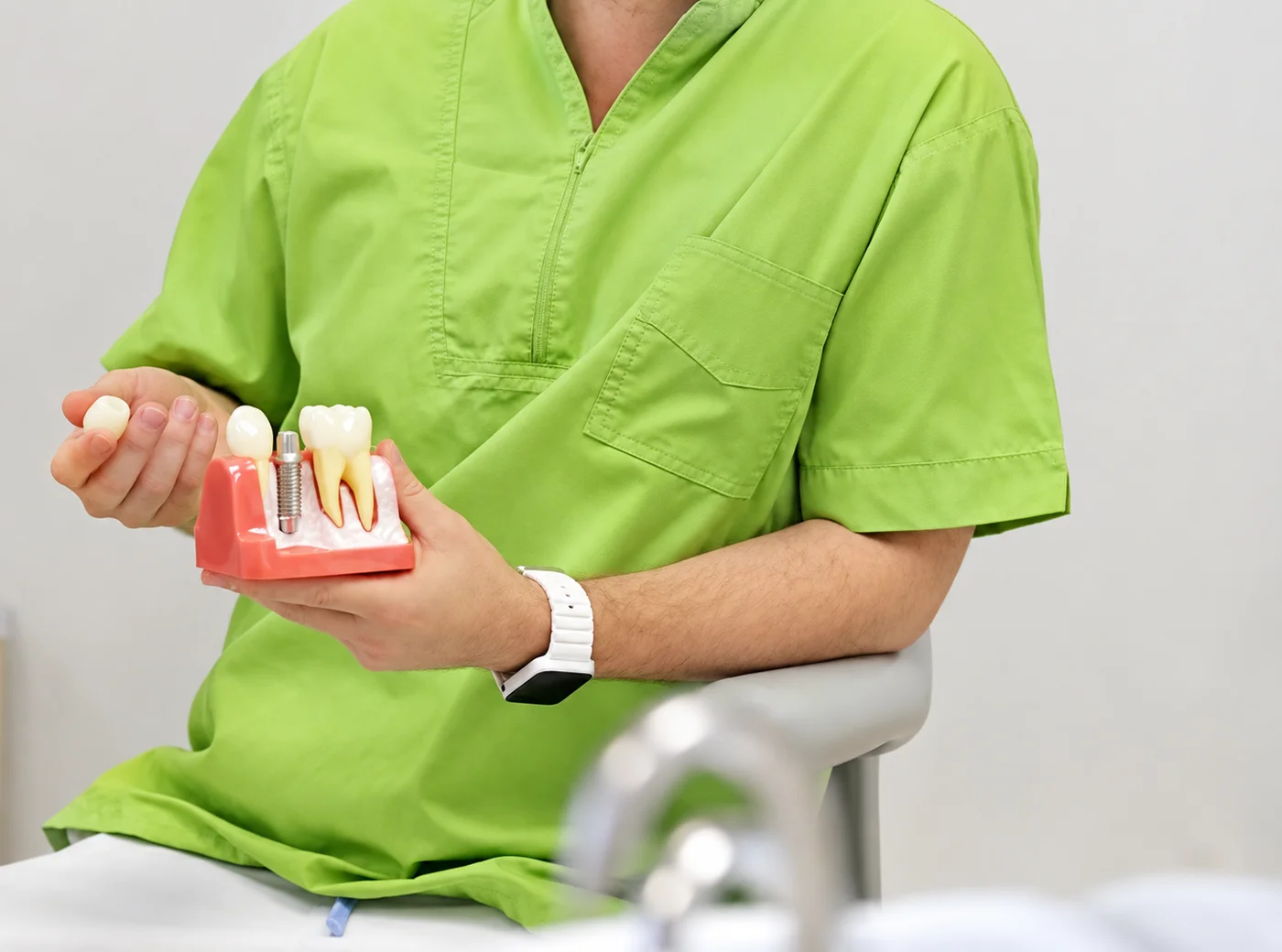
Do wisdom teeth need to be removed? When to take a wisdom tooth out and when it can stay
Not every wisdom tooth needs removing. It is advised when it causes pain, infection, decay or a cyst; a healthy, cleanable wisdom tooth is often left in place.
Related serviceToothache? Emergency dental visit in Warsaw Ursynów
If you have acute toothache, swelling or a dental injury, you can book an emergency visit. The clinic is open Monday to Saturday until 9 pm. The aim of the visit is to relieve the pain and plan further treatment.